
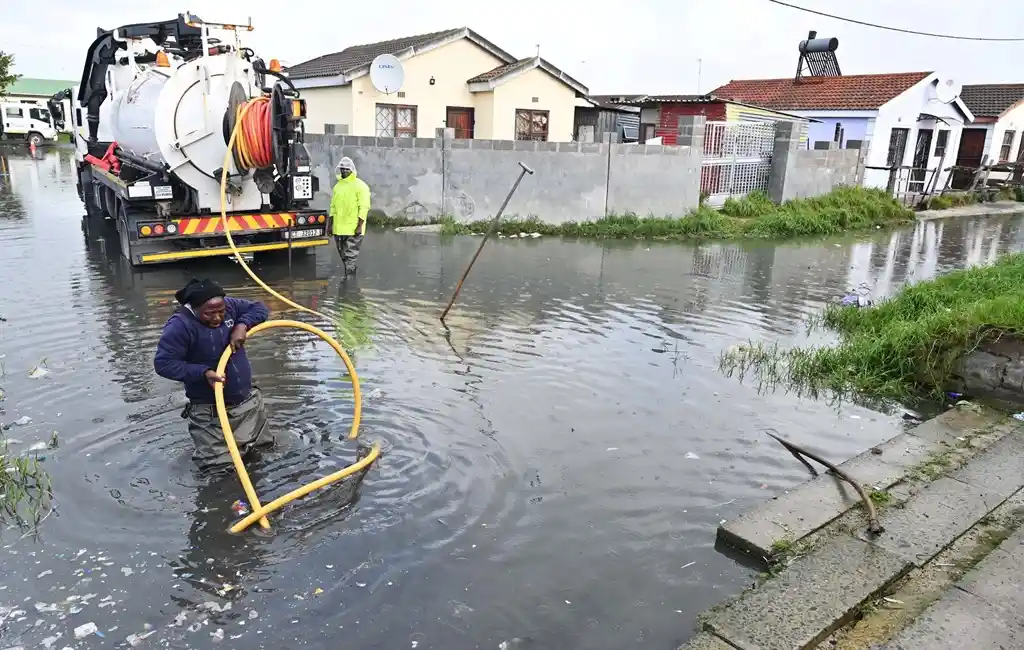

Cape Town: The Urban Mobility Directorate of the City of Cape Town has been allocated an additional R39 million to ramp up the maintenance and repair of stormwater infrastructure in flood-prone areas. This work will take place over the next four months to mitigate the impact of high rainfall events during winter.
Reportedly, the City Council committed an additional R39 million to the Roads Infrastructure Management Department (RIM) of the City of Cape Town, after approving the adjustment budget at its meeting, last month.
Member of the Mayoral Committee for Urban Mobility – Councillor Rob Quintas extended gratitude for the additional budget they are increasing for maintenance, which mainly focus on the areas that are worst affected during the wet winter months.
They can further deploy more teams and can increase the cleaning cycles. They have also seen a significant increase over the past few years in vandalism and the illegal dumping of refuse and litter into the stormwater infrastructure. This remains the single biggest challenge because the dumping of material causes blockages and prevents runoff from rainfall events to enter the system and as a result, roads and houses get flooded, or the runoff takes an unusually long time to clear.
According to Quintas, they have eight districts across Cape Town and the RIM teams in these areas are already hard at work, clearing stormwater pipes, manholes, catchpits, channels, ponds, and canals, as well as infrastructure along major traffic routes and in low lying areas. This is in addition to maintenance and minor repairs that are needed to ensure the system which is fully functional by winter.
These focused areas for interventions were identified by using data from last year, public reports of flooding, historic records, and site visits and investigations by local RIM teams. Stormwater systems in and around informal areas are included.
Cllr Quintas further stated that such efforts will assist them to mitigate flooding incidents, and the teams will also increase inspections to proactively identify blocked infrastructure. Noting this, he asked residents to keep on reporting blocked drains and illegal dumping, to not sweep waste into stormwater drains, and to help keep the stormwater inlets in their streets free from debris and waste. Regular trimming of trees overhanging drains will also help.