


The City of Cape Town hosted this year’s Digital Summit on Tuesday, June 09, 2026 under the theme “Shaping the Future of Digital Identity: Data, Security and Governance”, bringing together government, private sector, academia and technology leaders to explore how digital identities can transform public services.
Corporate Services Directorate Executive Director – Ernest Sass opened the summit and spoke on the City’s digital transformation agenda. He also talked about how a secure, single digital identity for each resident could make it easier for residents to access City services, reduce administrative barriers and improve service delivery.
Member of the Mayoral Committee for Corporate Services – Alderman Theresa Uys stated that they were honoured to host this year’s Digital Identity Summit. This summit served as a platform to discuss the City’s needs in building its single digital identity programmes.
Uys added that a single digital identity can allow residents to access multiple services through one secure account, by reducing the need for multiple logins, repetitive paperwork and unnecessary visits to service centres. This would improve the City of Cape Town’s services to local residents and make access easier and more reliable.
Panel discussions were held that featured the City’s Chief Data Officer – Huge Cole, and Chief Digital Officer – Andre Stelzner. The discussion focused on the South African context, unpacking the opportunities and challenges associated with digital transformation.
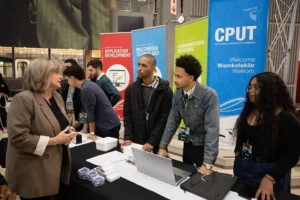
During the event, the Corporate Services Directorate also hosted a Digital Expo on Concourse Level-2 of the Civic Centre. The expo featured 16 exhibitors and showcased the latest innovations in digital identity, resident-centred service delivery and digital transformation. The residents and delegates engaged with technologies and solutions from government departments, academia, telecommunications providers, financial institutions and private-sector technology partners.
The 2026 Digital Summit concluded with a forward-looking discussion on long-term planning towards 2050. It examined how governments and institutions can prepare for future changes in technology, governance, the world of work and digital society.