
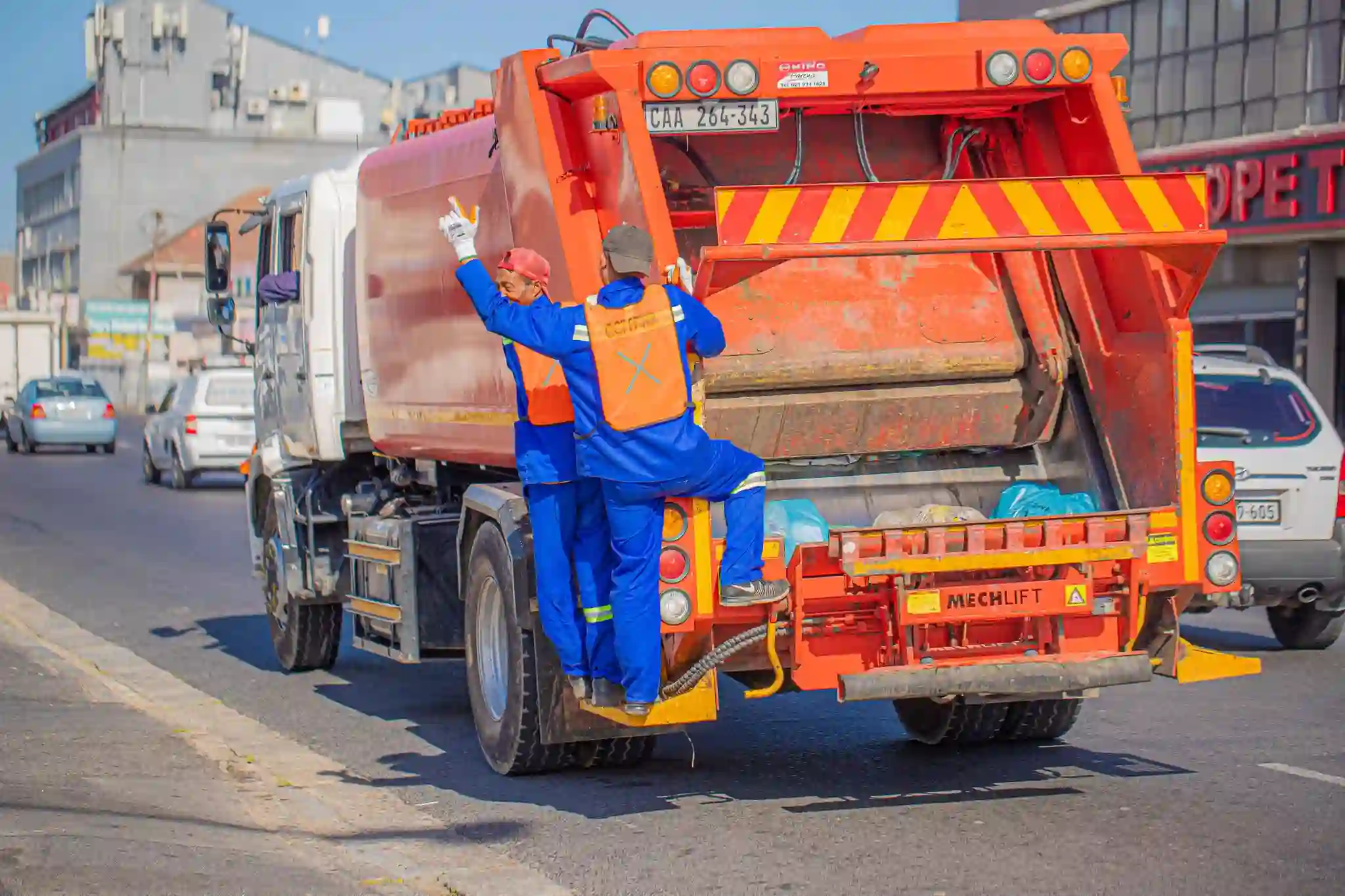

Cape Town: The Urban Waste Management Directorate of the City of Cape Town has activated its festive season readiness plan to ensure that waste collection services continue reliably from November 2025 to January 2026 by including on all public holidays.
The department has ensured the uninterrupted service despite of the increased waste volumes, heavy traffic and ongoing safety and security concerns. UWM has implemented a comprehensive operational plan designed to ensure service continuity as far as possible. The contractors need to submit contingency plans to address the most common festive season disruptions.
Considering this, Member of the Mayoral Committee for Urban Waste Management – Alderman Grant Twigg said that their priority is to keep Cape Town clean throughout the festive season.
Twigg added that they need careful planning and strengthened contingency measures, as they are ready to manage the seasonal spike in waste and ensure the continued, reliable collection of wheelie bins.
The Urban Waste Management Department is calling on residents to assist by the reducing waste where it is possible, especially through recycling and home composting.
Furthermore, the residents need to know that every effort has been made to avoid disruptions, considering certain factors such as gang-related incidents or periods when security escorts are unavailable and may occasionally affect the scheduled services.
Some key readiness measures to be taken are staffing. The officials must ensure sufficient staffing during the peak season which is essential. Strict leave protocols should be followed. The leave is staggered to ensure that the maximum staff is present.
Intensified operational oversight must be identified and should address the gaps quickly, as it will include the rapid deployment of temporary staff. The additional capacity is being secured through EPWP teams, labour brokers and temporary workers to ensure 80% staff availability throughout the period.
Fleet readiness is another aspect that should ensure the reliability of available remains as a cornerstone of service continuity. Ensure a minimum of 130 collection vehicles that are available daily. They should monitor the fleet deployment that will enable rapid responses to mechanical failures or increased demand.
The routes and events should be informed before-hand. Alternative routes should be mapped to maintain the continuity in areas that are impacted by the major events or roadworks. High-traffic and tourism-heavy zones should be prioritised to reduce delays caused by congestion.