

South Africa has deported or facilitated the voluntary repatriation of over 53,000 undocumented immigrants as part of a nationwide immigration enforcement campaign. According to authorities, over 80% were Malawian nationals, with others from Zimbabwe, Mozambique, Nigeria, Uganda and Kenya.
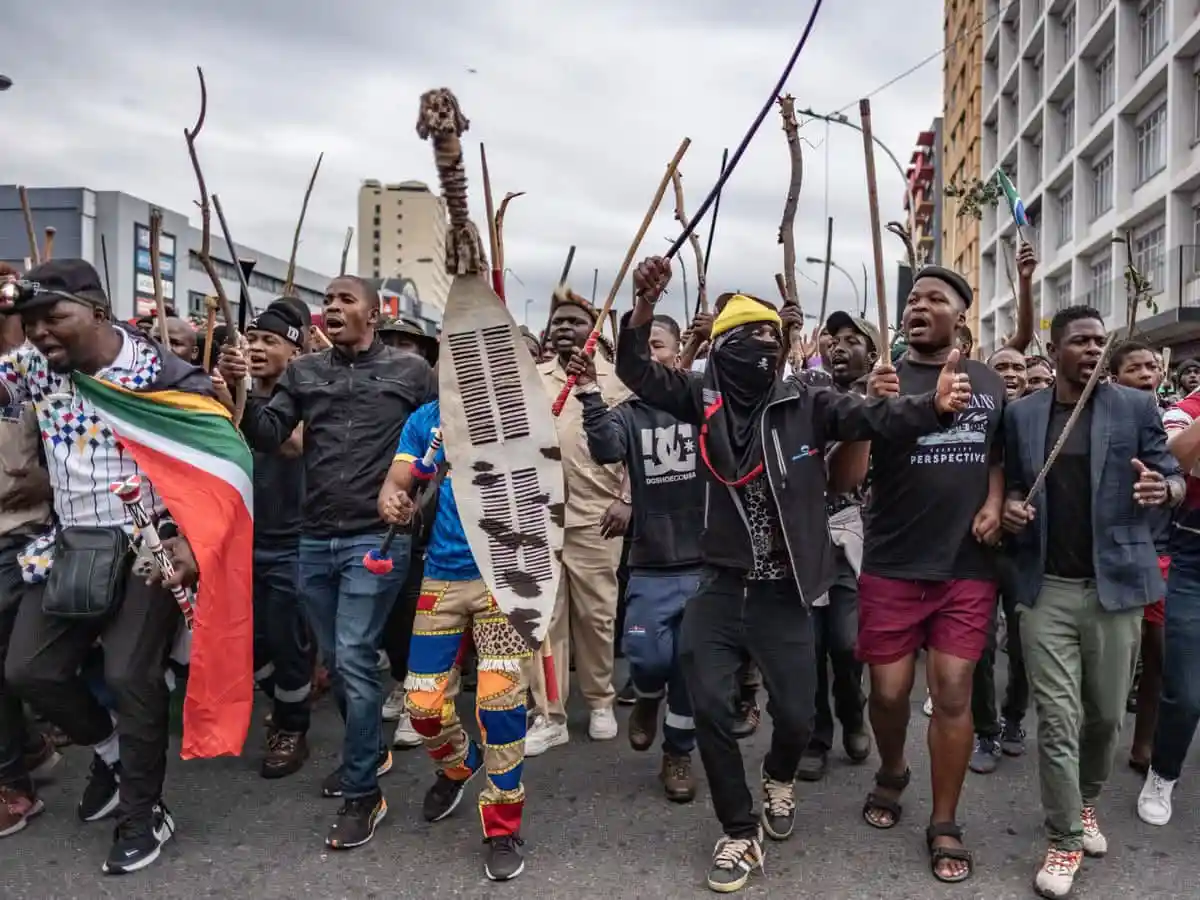
As per the sources, South Africa has carried out one of its biggest crackdowns on undocumented migrants in years, following weeks of anti-immigration protests that have seen violence, intimidation and looting. The protesters have been demanding tighter border controls and mass deportations.
The protesters have accused that migrants are contributing to high unemployment, rising crime rates and collapse of public services. The United Nations (UN) has warned against using migrants as scapegoats for South Africa’s socio-economic challenges.
Furthermore, the anti-migrant activists have threatened to stage weekly protests to pressure the government until their demands are met, and there are fears that the protests could turn violent.
Considering this, the demonstrators had set an unofficial deadline of June 30 for all undocumented migrants to leave the country, which has seen many foreigners leave to escape violence and intimidation. Several countries including Ghana, Nigeria, Uganda and Kenya, have flown their citizens home in recent weeks.
Justice and Constitutional Development Minister – Mmamoloko Kubayi announced on Sunday, July 12, 2026 that 53,499 foreign nationals have been processed for deportation and repatriation, which is dominated by the Malawians, followed by Zimbabweans and Mozambicans.
🇿🇦 South Africa says it has deported or facilitated the voluntary repatriation of more than 53,000 undocumented immigrants as part of a nationwide immigration enforcement campaign.
According to authorities, over 80% were Malawian nationals, with others from Zimbabwe, Mozambique,… pic.twitter.com/y4DNp1dxiV
— Global Statistics Wire (@stats_wire) July 15, 2026
In a recently held news conference in Pretoria, Kubayi stated that they are striving to achieve an orderly and regular migration which is mindful and sensitive to the concerns raised by the people. While it also observed human rights and dignity of all people in the country, irrespective of their citizenship and immigration status.
According to Kubayi, the repatriation and deportation process has helped them in catching people who were wanted by the police for alleged criminal activity. Authorities will continue to enforce its immigration laws. She warned that protesters should not conduct unauthorised searches of homes and businesses that are suspected of sheltering undocumented migrants.
SA President Cyril Ramaphosa has acknowledged public concerns about immigration but has condemned attacks against migrants, warning citizens against taking the law into their own hands.
South Africa is the continent’s wealthiest nation and has long attracted migrants searching for better economic opportunities, some of whom entered illegally.
Sabina Tadera of the Southern Africa Network for Immigrants and Refugees, which advocates for immigrants’ rights, said that some Malawians who gathered at temporary camps recently looking to return home were in South Africa legally but feared attacks.
She stated that there is a misconception that all people on the move are undocumented. The crackdown has also caused diplomatic tensions with some of the migrants’ home countries, which have criticized South Africa for what they call a climate of “xenophobia”.
Independent Human Rights and Migration Consultant – Laura Freeman said that for migrants, South Africa is seen to offer economic opportunities that do not exist in their country of origin. However, waves of xenophobic violence, shift that dynamic with South Africa increasingly being seen as unfriendly.