
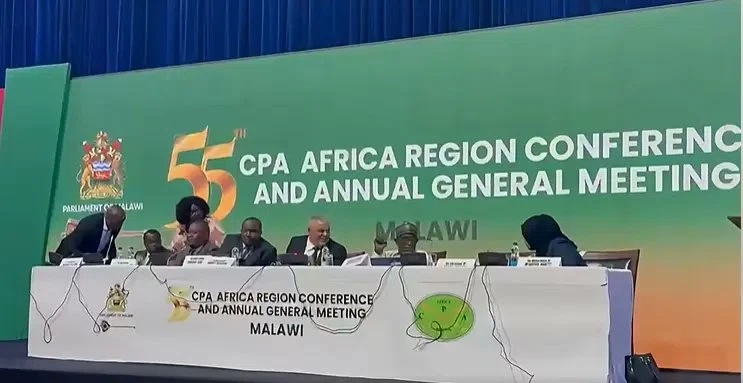

Nigerian and South African lawmakers have clashed over how attacks against foreign nationals should be described. They exposed different views on migration, law enforcement and the treatment of migrants in South Africa.
The disagreement occurred during the 55th Commonwealth Parliamentary Association (CPA) Africa Region Conference in Lilongwe, Malawi which has brought together over 300 lawmakers and government officials from across the region. The conference focused more on democracy, human rights, good governance and strengthening regional cooperation.
The Nigerian delegation argued that violence directed at foreign nationals should be clearly identified as ‘Xenophobia’. Nigerian lawmakers described such attacks as unjustified violence against people based on their nationality and called for formal investigations into incidents involving foreign nationals.
They maintained that the issue should not be obscured by broader discussions about migration status, stressing that violence against foreigners requires accountability regardless of whether those individuals have legal immigration status or not.
However, the South African lawmakers challenged the use of term ‘xenophobia’ as the primary description of the problem. They positioned that discussions about violence involving foreign nationals should also consider the issue of illegal immigration and the enforcement of immigration laws.
Nigerian 🇳🇬 and South African 🇿🇦 lawmakers disagreed at a parliamentary conference in Malawi 🇲🇼 over how violence against foreign nationals should be described.
Nigerian lawmakers called for the attacks to be described as xenophobia, while South African lawmakers said the… pic.twitter.com/aCqqIFEDgG
— Africa View Facts (@AfricaViewFacts) August 14, 2026
Considering this, the South African delegation emphasised the responsibility of authorities to enforce immigration regulations and address cases that will involve people who are in the country without the required documentation. This approach placed greater emphasis on immigration control and the distinction between lawful and unlawful migration.
The disagreement highlights a longstanding and sensitive issue in relations between the two African countries. Nigeria and South Africa maintain strong economic and diplomatic ties, but tensions have periodically emerged over the treatment of Nigerian and the other foreign nationals in South Africa.
Notably, the debate at the Malawi conference also reflects a broader challenge in facing African governments, along with balancing the protection of migrants and human rights with national immigration controls and border management.
Over 300 delegates who participated in the conference provided a significant platform for the issue to be debated. While the Nigerian and South African delegations differed over terminology and emphasis. The discussion underscored the need for regional cooperation in addressing migration, discrimination, violence and the rule of law.