
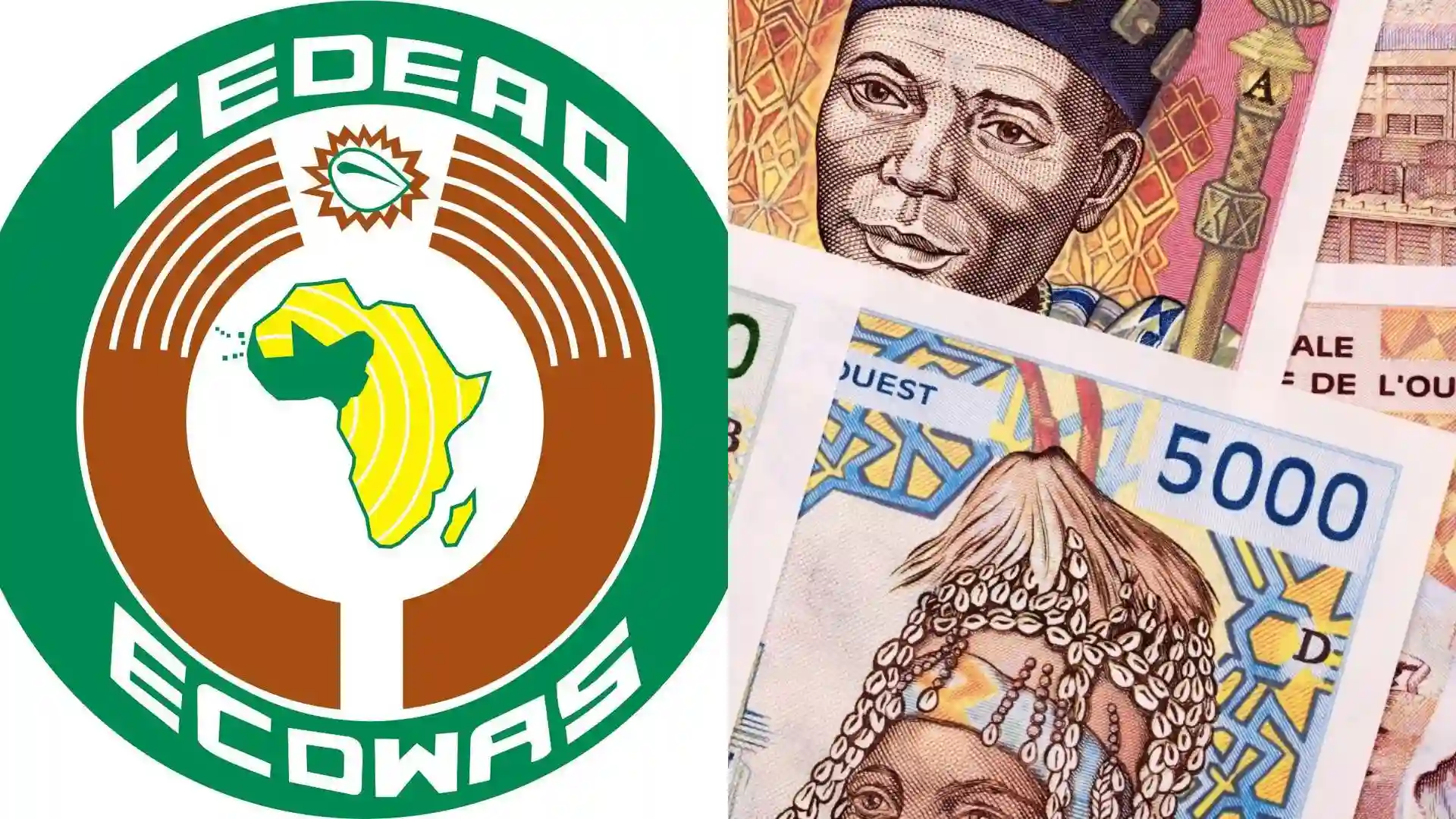

Guinea is the first ECOWAS country to officially refuse to join the proposed Eco-currency and chose to retain its national currency. The Eco is scheduled to launch in July 2027, but only the countries which will meet the specific economic criteria will be allowed initially.
This decision of Guinea is motivated by concerns over losing monetary control and the ability to manage economic policy and shocks. It’s significant exports to non-West African countries, especially Asia, which influence its reluctance to join a regional currency.
According to the proposed structure, the nations will meet the key macro-economic benchmarks including the objectives for inflation, public debt, fiscal discipline and monetary stability, which will be able to join the first wave of the monetary union.
Guinea’s choice underscores worry about the possible economic consequences of giving up control of its national currency before increasing local production capability.
Guinea 🇬🇳 has officially opted out of the Eco currency planned by ECOWAS leaders for launch in 2027, becoming the first nation to do so.
Officials state a clear preference for the Guinean franc, calling it better suited to protect national sovereignty and guide the country’s… pic.twitter.com/6lYbx60el7
— Africa View Facts (@AfricaViewFacts) August 2, 2026
Reportedly, the economists said that having an autonomous monetary policy allows the country to respond in better way to economic shocks and manage its own development objectives. The trading trends also seem to have impacted Conakry’s status, as sizable portions of Guinea’s exports who typically head for countries beyond West Africa, with Asia accounting for nearly 80% of outgoing shipments.
According to analysts, adopting a single regional currency may limit the country’s capacity to adjust monetary policy to the demands of its key trade partners. Despite of its rich natural wealth, which includes large quantities of bauxite, gold and iron ore, Guinea remains strongly reliant on imports for many manufactured goods and food supplies, that are making exchange rate to control a key economic policy tool.
ECOWAS leaders are set to gather in December this year to discuss various outstanding issues concerning the monetary union. Further discussions are projected to centre on the planned regional central bank’s governance structure, voting procedures and the list of nations that would be eligible for the Eco’s initial launch.
Notably, the regional group has spent over 20 years working for a unified currency, which it sees as a critical step towards increasing cross-border commerce by decreasing transaction costs and enhancing economic integration throughout West Africa. ECOWAS now has 12 member nations, following the withdrawal of Burkina Faso, Mali and Niger in 2024 when the three countries founded the Alliance of Sahel nations.