
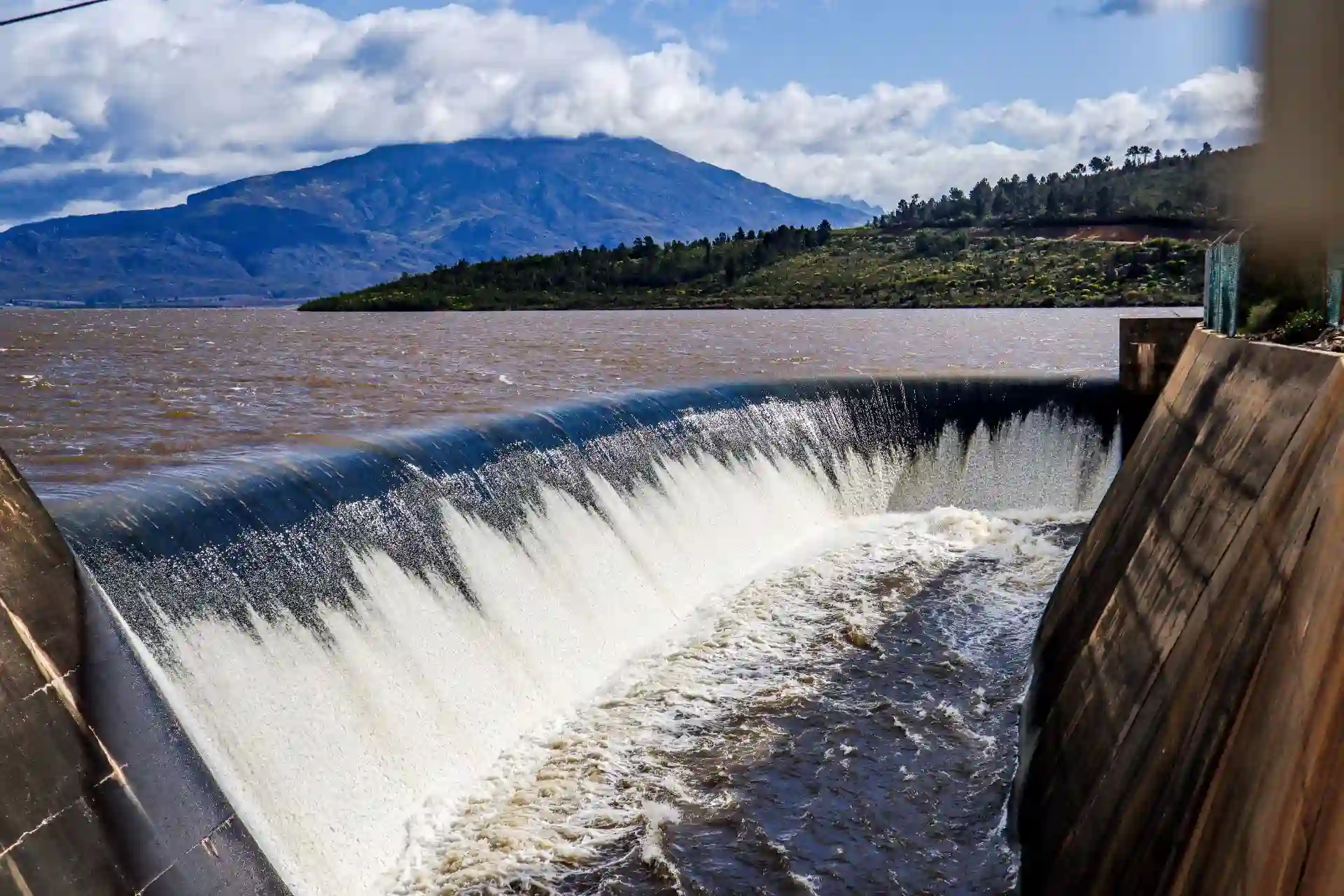

Cape Town: The Water and Sanitation Directorate of the City of Cape Town has urged all the residents, businesses and visitors to immediately reduce the water consumption. This decision has been taken by considering the spike in usage of water as once again over the recent hot days, the dam levels has dropped 19% below, what was available at the same time, last year.
Reportedly, this drop in water level may raise concerns about water security in the months ahead and usage should not reduce as quickly as possible this summer. Lower annual rainfall has resulted in reduced inflows to dams by placing increased pressure on the water supply system of the city.
While the taps are not at risk of running dry at this stage, the continued high-water use could rapidly change the situation and may result in restrictions unless the consumption is brought down urgently.
As per the weekly water dashboard of the City of Cape Town, excessive average daily water uses by Capetonians, collectively is well above the target of less than 975 million litres per day (MLD):
- Dec 10, 2025 recorded 1029 MLD
- Dec 15, 2025 recorded 1029 MLD
- Dec 22, 2025 recorded 1039 MLD
- Dec 29, 2025 recorded 1010 MLD
- Jan 05, 2026 recorded 1048 MLD
Currently, dam storage levels of the City of Cape Town stand at 69.1% which will need to sustain water supply until the next seasonal rainfall cycle.
Member of the Mayoral Committee for Water and Sanitation – Councillor Zahid Badroodien said that this is a critical moment for them where they must reduce the unnecessary litres of water used in the homes in industrial and agricultural processes and at work.
Badroodien said that they can’t afford to be complacent any longer and they must closely keep track of consumption indicators on a weekly basis. Early proactive measures are far more effective than emergency restrictions. They need to be water-wise at all times.
Some key tips to keep water usage down are suggested by the Water and Sanitation Department such as, to and find and fix water leaks in your property. If dripping taps, leaking toilets and faulty plumbing go undetected and ignored for a long time, a lot of water is wasted.
Secondly, monitor your own usage and make the effort to save water. About 70% of all water is used in the city at homes which is why saving water at home is so critical. Only water the garden at night to prevent evaporation and avoid topping up swimming pools or pool inflatables unnecessarily. Immediately report to the burst municipal pipes to the city through formal channels.
Provide an exact location or address and always insist on a reference number. Also switch to treated effluent re-use for industrial irrigation or construction purposes.
Furthermore, the City of Cape Town promotes and supplies treated effluent to large water users such as industry, sports clubs, golf clubs, large new developments and schools.
Councillor Badroodien said that all of them have a part to play in reducing the water usage now. The City of Cape Town is busy with various actions, including consistently resolving reported pipe bursts and water leaks within the shortest timeframe.
Since the occurrence of the drought, the City of Cape Town has been continuously investing in upgrading aged water pipes, by improving pressure management, fixing leaks faster and strengthening metering along the water supply network.
The City is actively progressing with strategic plans for new water supply in Cape Town to build the water secure future. In the long term, to reduce dependency on rain-fed dams, it is scheduled to proactively add new water sources, such as desalination and water reuse to the supply from 2031.