
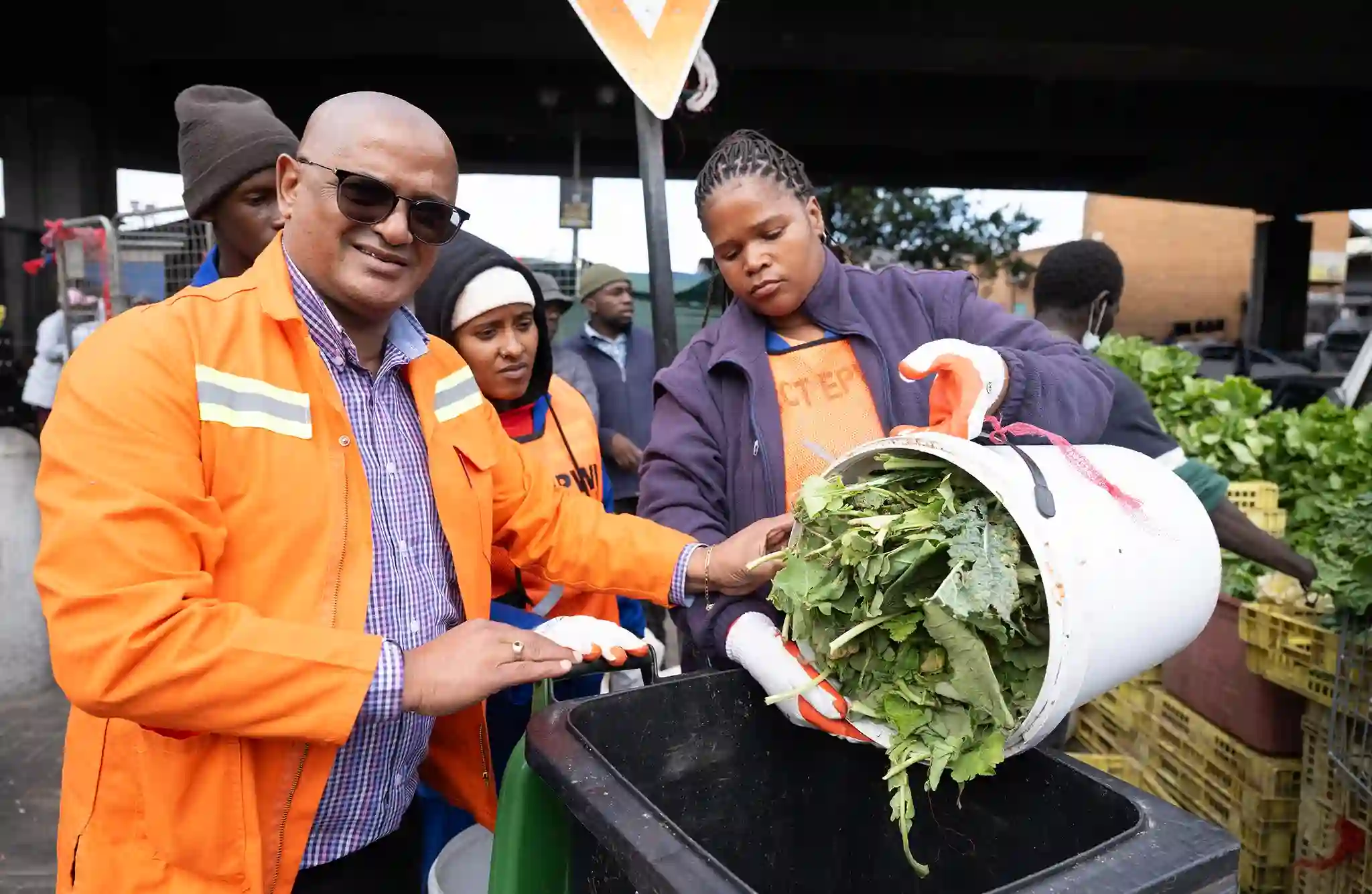

Cape Town: The 2025 festive season is going to see more celebrations and more food on the tables, which also means more food is going to waste. City of Cape Town has introduced some tips and tricks for managing and reducing the food waste to take full control of the waste disposal which is the responsibility of everyone.
The Urban Waste Management Directorate of the City of Cape Town oversees and manages a number of food waste minimisation programmes that includes the rollout of compost containers, several community-based food waste initiatives, etc. This is an important part of the directorate’s waste reduction strategy for many reasons.
But why reducing the food or organic waste is important? Provincial Government has banned the organic waste from landfills, therefore they need people in order for the City of Cape Town to be compliant with this directive.
Food or organic waste decomposes in landfills and creates harmful greenhouse gases that contribute to global warming. To preserve the planet, they need to reduce the amounts of greenhouse gases which they produce and emit.
The city is also contributing to depleting landfill space, which will eventually result in the need for a new landfill site. Composting can reduce the amount of space used in their household bins and space that is used at landfills.
Also, less food in the bins means fewer rodents and pests. Besides this, the waste can be used to make compost for plant growth. In 2025, the City of Cape Town has distributed compost bins to more than 10 communities to encourage the residents in order to use their food scraps and spoilt food with more responsibility. They have seen a positive uptake in the programme from residents.
Fortunately, this is not the only way to reduce the food waste.
There are many tips to reduce the food waste, such as plan your menus around the number of guests you will expect and only buy enough ingredients for the planned meals. Don’t buy fruit and vegetables too far in advance, so that they don’t spoil in the fridge.
Consider you food storage to extend the lifespan of your fruit and vegetables, only dish what you can eat. Leftovers on plates often aren’t revisited and aren’t repurposed, creating unnecessary food waste. Transform the leftovers and surplus ingredients into new dishes is a great way to minimise food waste.
Member of the Mayoral Committee for Urban Waste Management – Alderman Grant Twigg said that it is easy to lose sight of the bigger picture and feel that the individual, household efforts can’t make a change. Yet it is in the home where change begins.
Twigg further added that everyone celebrating and partaking in joyous occasions this festive season is encouraged to be mindful of the way they consume and dispose of food and help in reducing the organic waste to the landfills for the benefit of the entire city.