
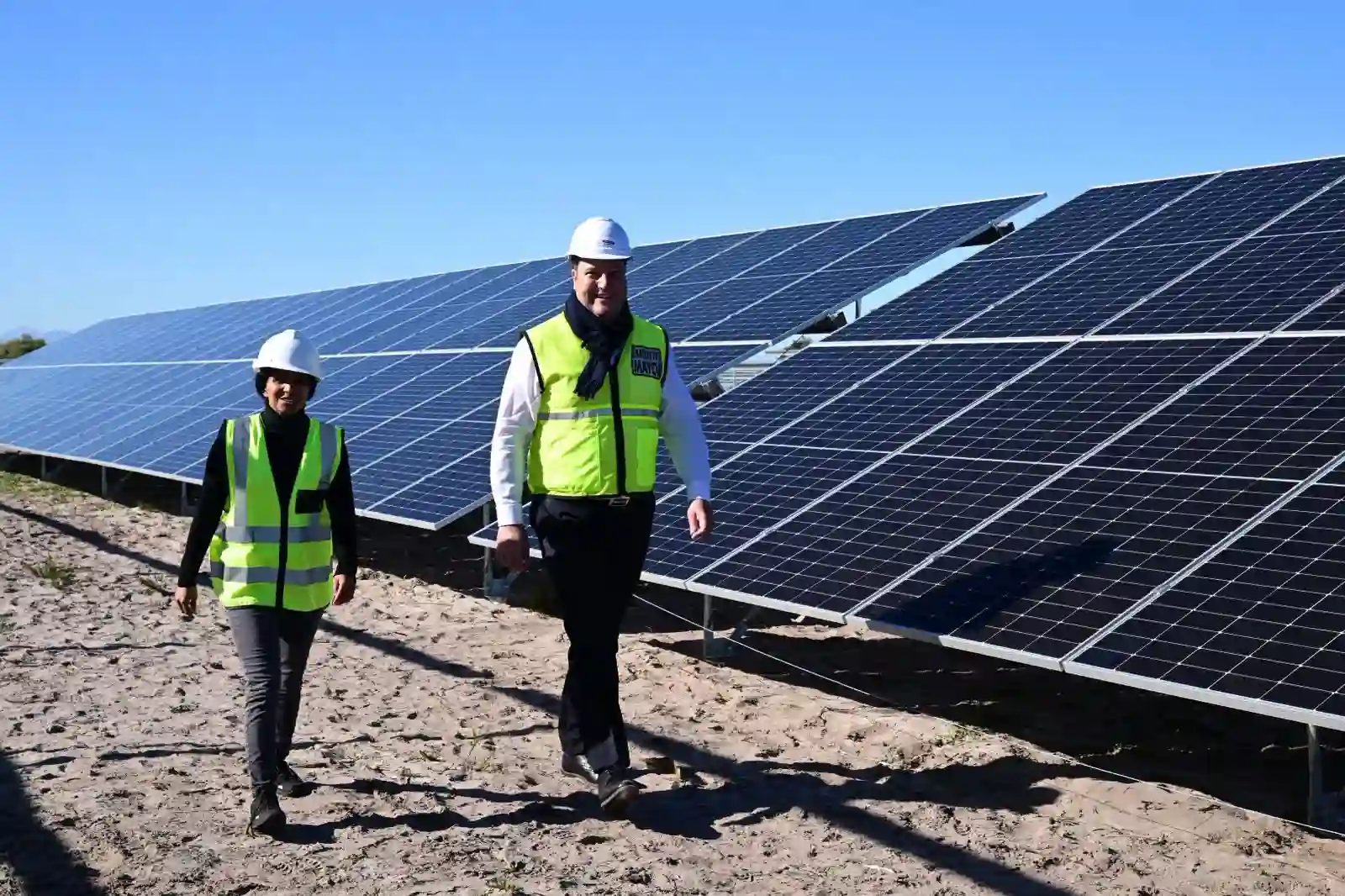

Cape Town is investigating Virtual Power Plant (VPP) options by taking part in a pilot assessment technical partnership. A VPP is a network of decentralised cleaner energy sources, from rooftop solar PV systems to utility-scale generation and storage plants, working together to act as a traditional power station.
The energy environment is rapidly changing with more investors entering the market. The City of Cape Town is at the forefront of energy reform.
Mayor Geordin-Hill Lewis and the Mayoral Committee have approved the exciting new technical partnership of the City of Cape Town with RMI. It is a global non-profit dedicated to transform worldwide energy systems to accelerate clean energy adoption. This collaboration will deliver a pre-feasibility assessment and pilot framework to assess the implementation of a municipal VPP.
The City of Cape Town is exploring how to optimise its existing assets and infrastructure through this partnership, to:
- Improve electricity system reliability and performance
- Reduce operational energy costs
- Unlock new revenue opportunities
- Support the transition to a low-carbon and sustainable energy system
Member of the Mayoral Committee for Energy – Alderman Xanthea Limberg stated that this initiative comes as the City of Cape Town responds to changes in the energy landscape that includes the growth of Distributed Energy Resources (DERs) by increasing interest in flexible energy systems and an emerging competitive electricity market in South Africa.
City of Cape Town emphasised on large-scale infrastructure investment moving towards multi-player energy utility services and cleaner, yet affordable energy remains key in future-fitting Cape Town. This project will distinguish between opportunities which can be implemented quickly and will require further development.
According to Limberg, the primary outcome of the project is an assessment and framework which will enable the city to determine whether and how to implement a VPP. It will also guide future stakeholder engagement and market-facing initiatives. This partnership reinforces the commitment of the City of Cape Town to innovation and building a more resilient, efficient and sustainable energy system for all customers and residents.
Managing Director at RMI – Ije Okeke said that utilities across Africa are entering a new era where DERs are rapidly reshaping their electricity networks. Together, RMI and the City of Cape Town are exploring how a growing portfolio of distributed energy assets can be orchestrated to unlock greater operational flexibility, enhance visibility and coordination, as they position their utility for the next generation of power system operations.
The City of Cape Town’s proactive leadership will help other cities and municipalities across South Africa and the continent to harness the value of DERs in building more resilient, affordable and flexible electricity systems.
However, the project is planned to be implemented in two phases:
- Phase 1 (the current pilot assessment): This phase includes identifying City-owned assets which could participate in a VPP and assessing the financial viability of different use cases.
- Phase 2: Development of an implementation framework and pilot roadmap, including institutional, commercial and operational requirements.
Notably, the technical assistance for Phase-1 will be delivered over approximately eight months, with a total value estimated at R3 million. The deliverable for Phase-1 will determine whether to proceed to Phase-2. As, there are no financial implications for the City of Cape Town.