
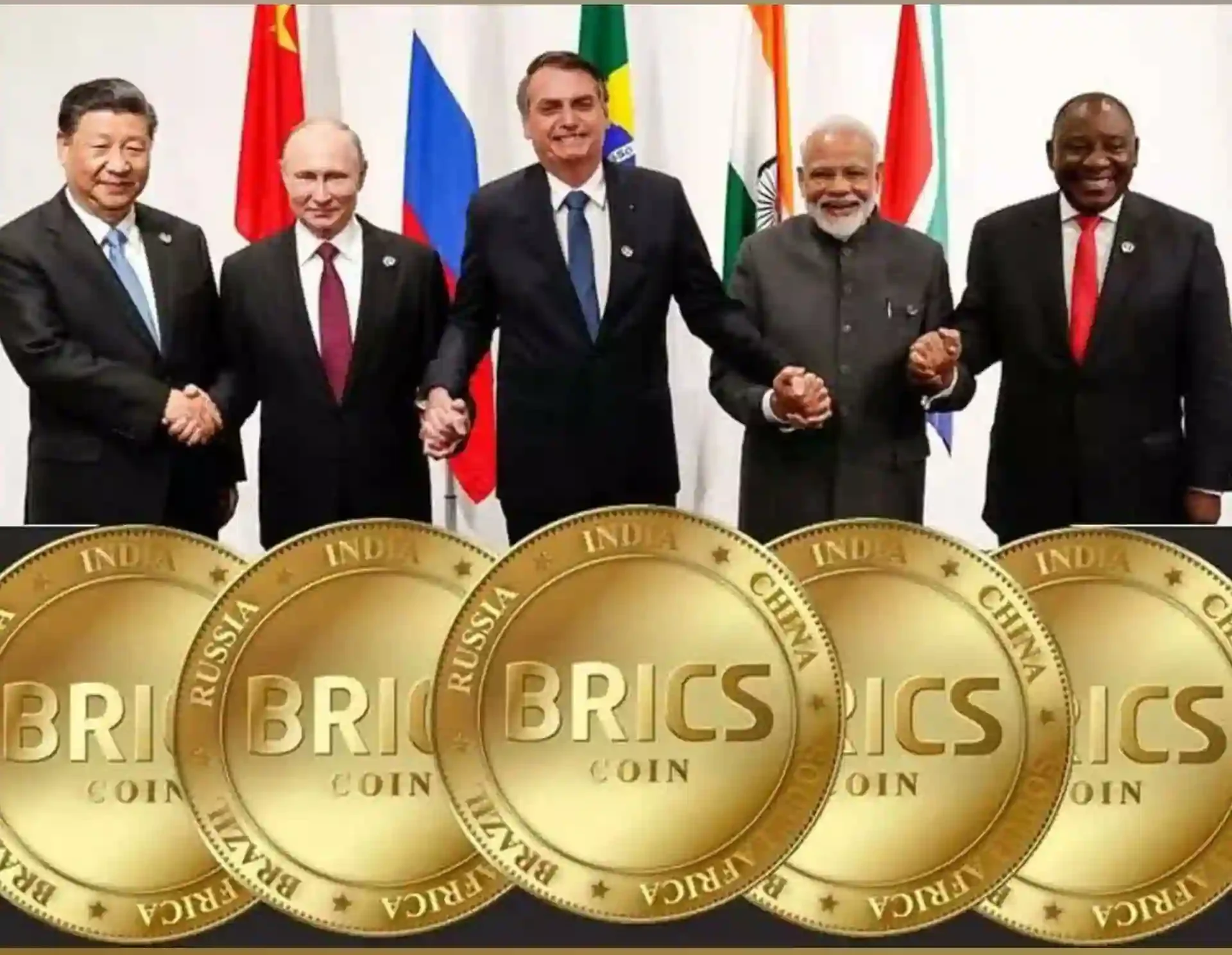

Members of the BRICS group, an intergovernmental organisation of major emerging economies, which includes nations like Brazil, Russia, India, China and South Africa, are currently in discussions to link their respective fast payment systems and Central Bank Digital Currencies (CBDCs).
These talks are a key part of the preparations for the 2026 BRICS summit, which will be hosted by India. By exploring these digital linkages, the member nations hope to create a more integrated financial network that simplifies how money moves across their borders.
Project In Progress – RBI
Governor of Reserve Bank of India (RBI) – Sanjay Malhotra shared these updates during a recent event in Mumbai. He explained that while several options are currently on the table, the project is still in the discussion stage. The primary motivation behind connecting these systems is to make international transactions more efficient and affordable for everyone involved.
Malhotra stated, “Cross-border payments is an area of interest for all of us, including the BRICS, because we feel there is a lot of scope for reducing cost.”
The push for financial integration goes beyond just technology; it also involves how different national currencies are used in international trade. RBI has already recommended to the Indian government that a formal proposal to connect CBDCs should be a major part of the agenda for the upcoming 2026 summit.
India🇮🇳, China🇨🇳, South Africa🇿🇦, Russia🇷🇺 and Brazil🇧🇷 discuss a major financial shift that could reshape global payments
Members of the BRICS group, an intergovernmental organization of major emerging economies, which includes nations like Brazil, Russia, India, China, and… pic.twitter.com/53uO4EgdGj
— Business Insider Africa (@BusInsiderSSA) August 13, 2026
Stable Economic Environment by BRICS
Alongside these technical connections, Governor Malhotra emphasised that the central bank is working to internationalise the Indian rupee. By encouraging the use of local currencies for trade and cross-border payments, BRICS nations can potentially create a more stable economic environment.
This strategy aims to promote the use of member nations’ own money for daily business and trade, reducing the complexities often found in current global financial systems.
AI in Financial Systems
These financial systems are becoming more digital; the role of artificial intelligence (AI) has become a major topic of discussion for central banks. Governor Malhotra stated that the RBI views AI as a powerful capability to be harnessed rather than just a risk that needs to be contained.
Central banks around the world are watching how lenders use AI because of concerns regarding cyberattacks and operational risks. However, Malhotra believes that progress does not have to come at the expense of security.
He noted that innovation and safety are not opposing goals but are actually complementary requirements of a durable financial system. This balanced approach to technology and finance will likely be a subject of discussions as BRICS nations work toward a more connected and independent financial future.