
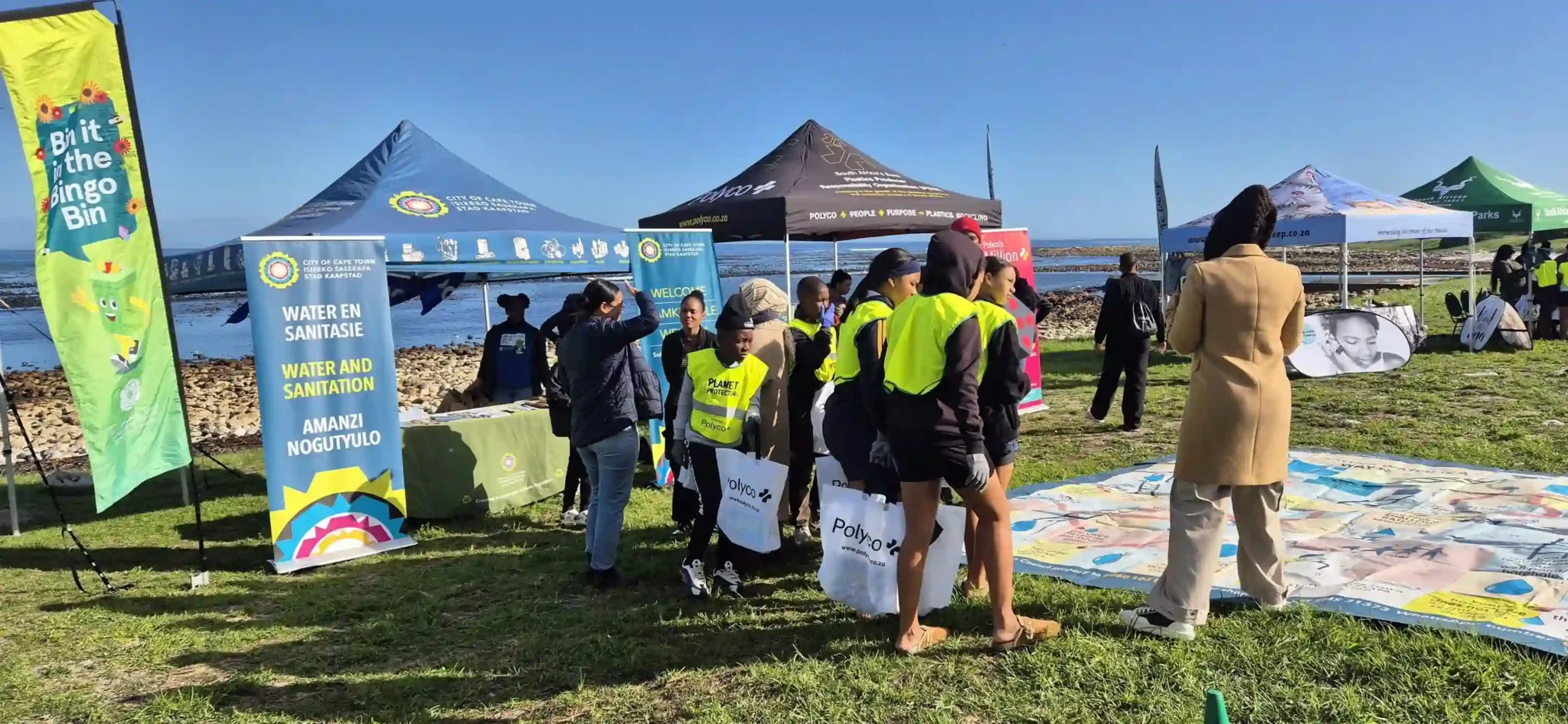

Cape Town marks World Environment Day on Friday, June 05, 2026, followed by World Oceans Day on Monday, June 08, 2026. To commemorate these important environmental awareness days, the City hosted Grade 6 and 7 learners at the Environmental Management Department’s Soetwater Environmental Education Centre in Kommetjie to learn about Cape Town’s coastal environment and take part in some practical conservation action.
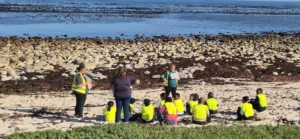
Reportedly, the learners spent the morning rotating through activity stations focused on rocky shores, kelp forests, coastal birds, sandy beach ecosystems and plastic awareness, followed by some beach clean-up activities at the City’s Soetwater Resort in Kommetjie. The programme also included a scavenger hunt, sand sculpture activity and an interesting information session on birds.
The event was coordinated by the Western Cape Environmental Education Friends, a partnership between the City; Nature Connect; the Two Oceans Aquarium Foundation; CapeNature; Shark Spotters; the Western Cape Government; and the National Department of Forestry, Fisheries and the Environment.
Deputy Mayor and Member of the Mayoral Committee for Spatial Planning and Environment – Alderman Eddie Andrews stated that the World Environment Day and World Oceans Day reminds them that everyone has a role to play in caring for the environment.
The outdoor learning experience at Soetwater gave learners a chance to explore the beautiful coastal environment and to engage with environmental specialists on a variety of topics. These experiences help young people see that their actions matter. Cape Town’s coastline is one of the greatest natural assets, but it is also a shared responsibility.
Programmes like these help learners understand that caring for the environment is not something abstract or far away. It starts with the choices they make every day, the waste they prevent, and the natural spaces they protect.
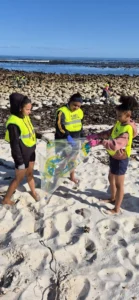
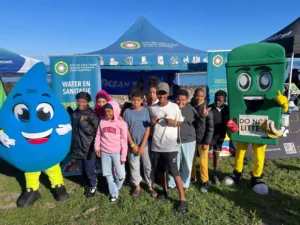
The event brought together the messages of World Environment Day and World Oceans Day by focusing on climate change, waste, marine ecosystems and everyday choices. Through the activities, learners were encouraged to understand how their choices affect the environment, how coastal systems are connected and why conservation is a responsibility shared by all Capetonians.
Deputy Mayor Andrews said that environmental education is most powerful when learners can see, touch and experience what they are learning about. By combining learning stations with a beach clean-up, the programme helped learners connect knowledge with action. That is how they build a culture of caring for Cape Town’s environment.
The City of Cape Town thanked the participating schools and all members of the Western Cape Environmental Education Friends partnership who supported the programme. This World Environment Day, these young Capetonians learned about the coast and why it is so important to take practical action for the environment.