
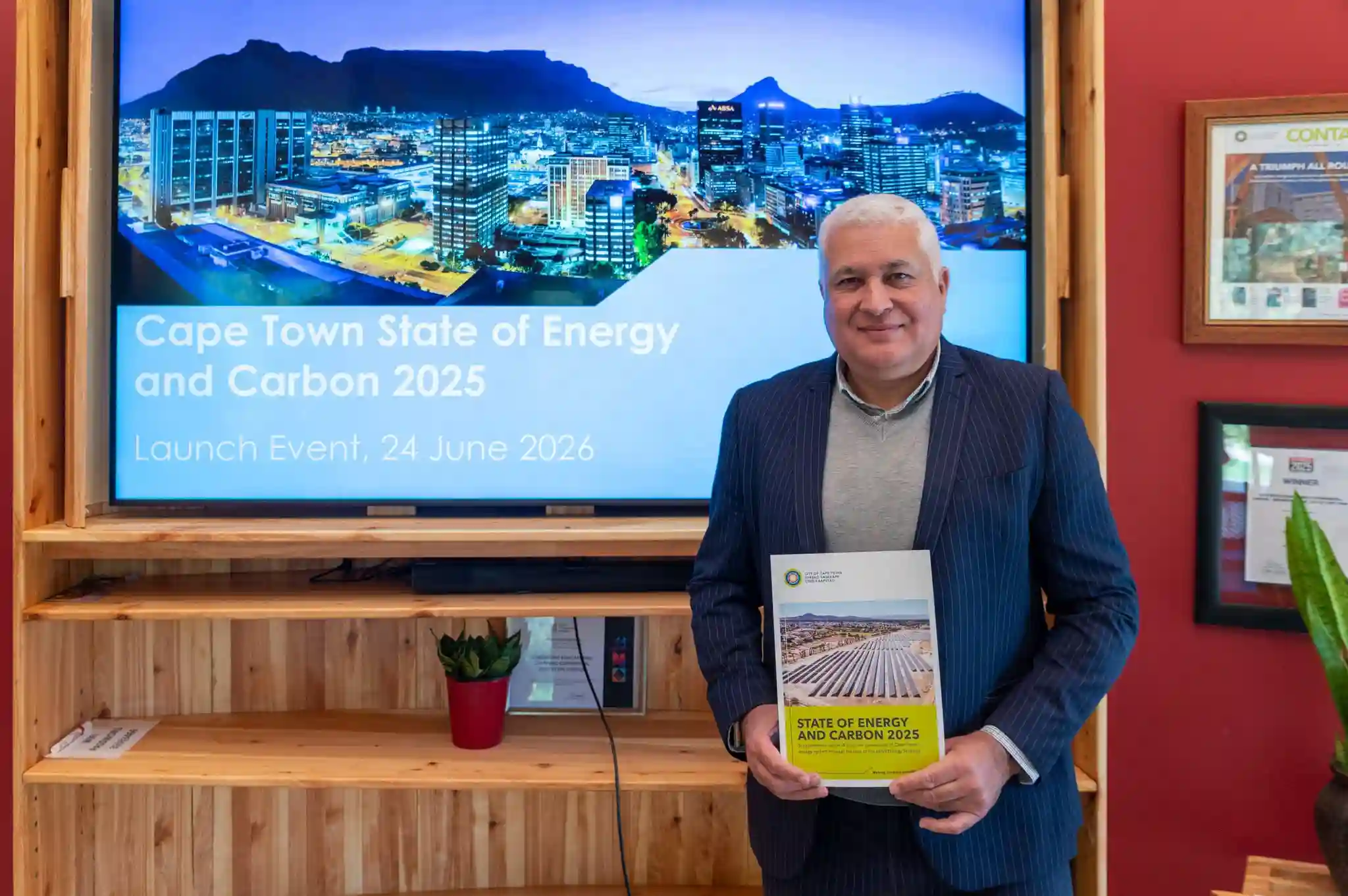

Cape Town: The State of Energy and Carbon (SOEC) 2025 report has been released now. It shows the key trends that have shaped Cape Town’s energy landscape between 2014 and 2023. As this period was defined by load-shedding and the Covid-19 pandemic. The data and the insights provided in the report are key to ensure a resilient energy system for all the residents.
Reportedly, the City of Cape Town produce a SOEC report every five years since 2003. It provides residents, industries and potential investors with an evidence base for energy and climate planning on the back of emerging trends, complex realities and opportunities related to the metro’s energy use and greenhouse gas emissions. The latest data comes at a time when Cape Town’s electricity utility is facing profound financial, operational and structural changes.
It consists of all reliable, affordable and sustainable energy underpins inclusive of economic growth. Yet energy use and economic activity also generate Green House Gas (GHG) emissions and waste, which could undermine long-term progress if not managed properly.
The 2050 Energy Strategy for Cape Town’s Shared Energy Future was adopted in 2023 that captured the City’s strategic objectives for the coming decades. The SOEC 2025 Supplementary Report analyses the key trends, which focused on the period between 2014 and 2023 to assess baseline progress towards the vision of the 2050 Energy Strategy.
Considerably, the SOEC identifies five interconnected trends that materially shape outcomes in Cape Town’s energy system. These include:
- Despite rapid urbanisation, the per capita demand for all forms of energy has dropped. This is partly from technological and structural economic changes but also suppressed demand due to a low-growth economic environment nationally and rapidly rising Eskom pricing.
- This trend along with steady greening of electricity supply has helped GHG emissions to drop in line with Cape Town’s voluntary decarbonisation commitment, but targets accelerate markedly after 2030 posing a future decarbonisation challenge.
- In terms of petroleum fuels, transport remains the biggest demand-driver in general and cost component, specifically for the lower income groupings. Load-shedding has profoundly changed the energy landscape, and it drove up the fuel buffering practices across customer bases, from businesses to households.
Launch of SOEC 2025 Report is the final activation in the City’s Future Energy Festival that has been driving awareness of Our Shared Energy Future as part of the 2050 Energy Strategy.