
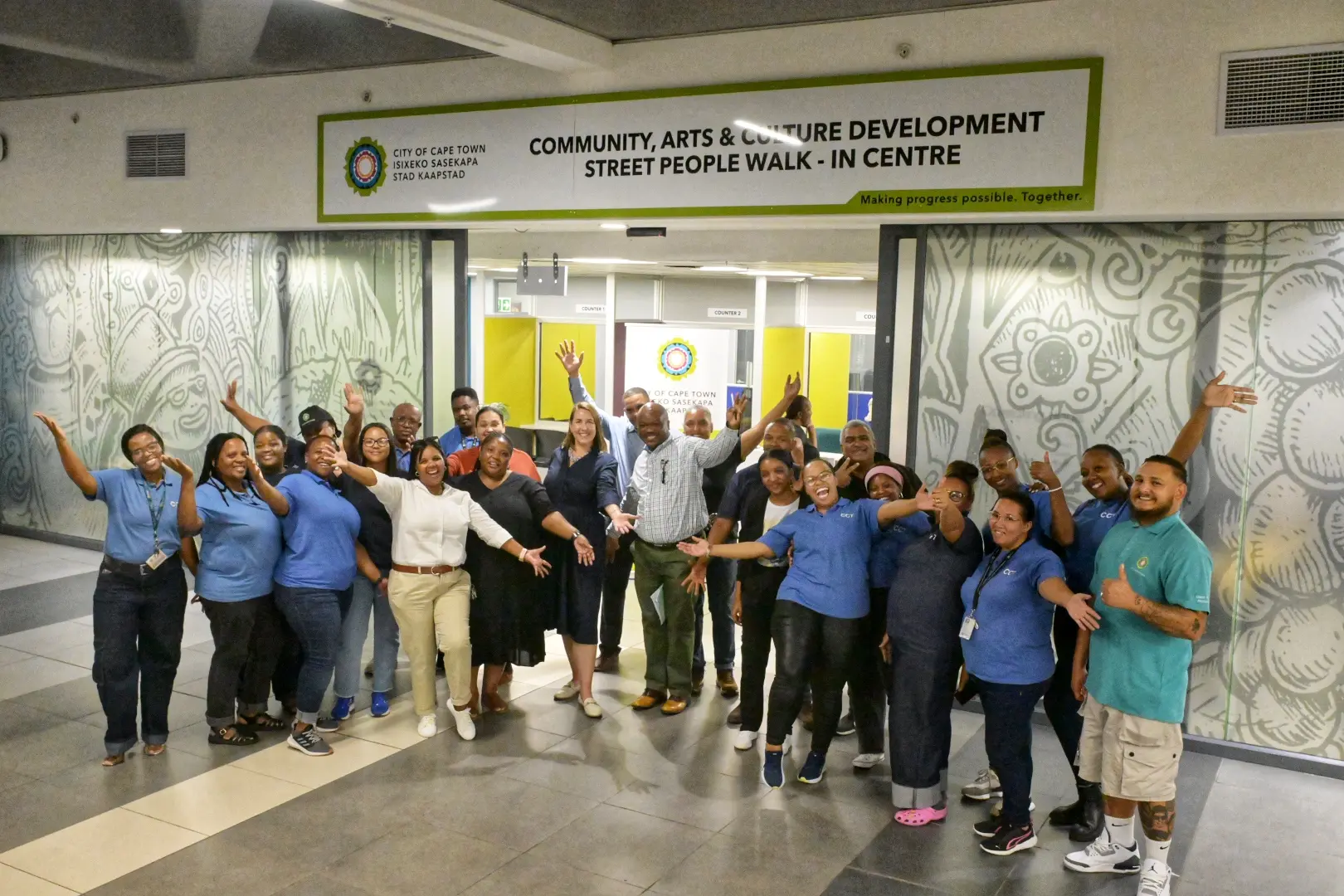

The City of Cape Town has completed a R7.7m upgrade to its Safe Space-1 facility at Culemborg as part of the continued enhancement of services to help people off the streets in the CBD and various parts of the metro. Cape Town Mayor Geordin Hill-Lewis visited the newly revamped facility this week together with member of the Mayoral Committee for Community Services and Health – Councillor Francine Higham.
Reportedly, the upgrades to Culemborg Safe Space-1, is the City’s first pilot site which was launched in 2018. It has transformed the basic shelter and mobile ablution facilities to dormitory-style accommodation.
An innovative 16-bed ‘Sober Space’ is also being piloted at the neighbouring Safe Space-2 site in partnership with the Streetscapes NGO and the Cape Town Central City Improvement District (CCID). This pilot aims to strengthen the management of situations where existing Safe Space residents return to the facility intoxicated.
The R7.7m upgrade to Safe Space-1 includes:
- Dormitory-style sleeping quarters and ablution facilities
- A designated training area
- Covered dining area with washing facilities
- Dedicated washing line area and enclosed refuse room
Mayor Geordin Hill-Lewis stated that he was pleased to view these Safe Space upgrades, which are part of the ongoing expansion of social services to help people off the streets in Cape Town. Safe Space-1 was the City’s very first facility of its kind, and now these upgrades bring it in line with the more recent investments during this term of office, such as the major 300-bed Ebenezer Safe Space opened in Green Point.
Cape Town remains the only metro with a funded social services programme to help people off the streets. In this way, they are helping people to choose social support, reintegration, and even family reunification, over the undignified, unhealthy, and unsafe conditions of life on the streets. Over the next three years, they are aiming to further major expansions to City-funded shelter beds, from the current 1400 to over 2200 at both City-run facilities and NGO-run night shelters.
The City’s Safe Space model includes:
- dignified shelter
- comfort and ablutions
- two meals per day
- access to a social worker on-site
- skills training
- help finding a job
- access to EPWP work placement
- personal development planning
- various social services, including ID Book and social grant assistance
- family reunification services
- access to substance and alcohol abuse treatment
The City of Cape Town is also helping to expand Haven Night Shelter facilities in strategic parts of the metro. So far this has included hep to expand the Haven’s Napier Street shelter by 63% from 96 to 156 beds as well as more than doubling the beds at the Haven’s Retreat shelter, from 104 to 224. The City further runs the Matrix substance abuse treatment programme, with an 83% success rate for clients, addressing a key driver of why people end up on the streets.
Cllr Francine Higham further stated that partnerships are key to City efforts to reduce rough sleeping in collaboration with the NGO sector. This includes ongoing support to expand Haven night shelters, as well as the winter readiness programme to help qualifying shelters to deal with increased demand during the colder months. One of the latest exciting additions is the partnership with Streetscapes and the CCID on a pilot Sober Space to help safely manage clients who arrive back at the Culemborg facility intoxicated.