
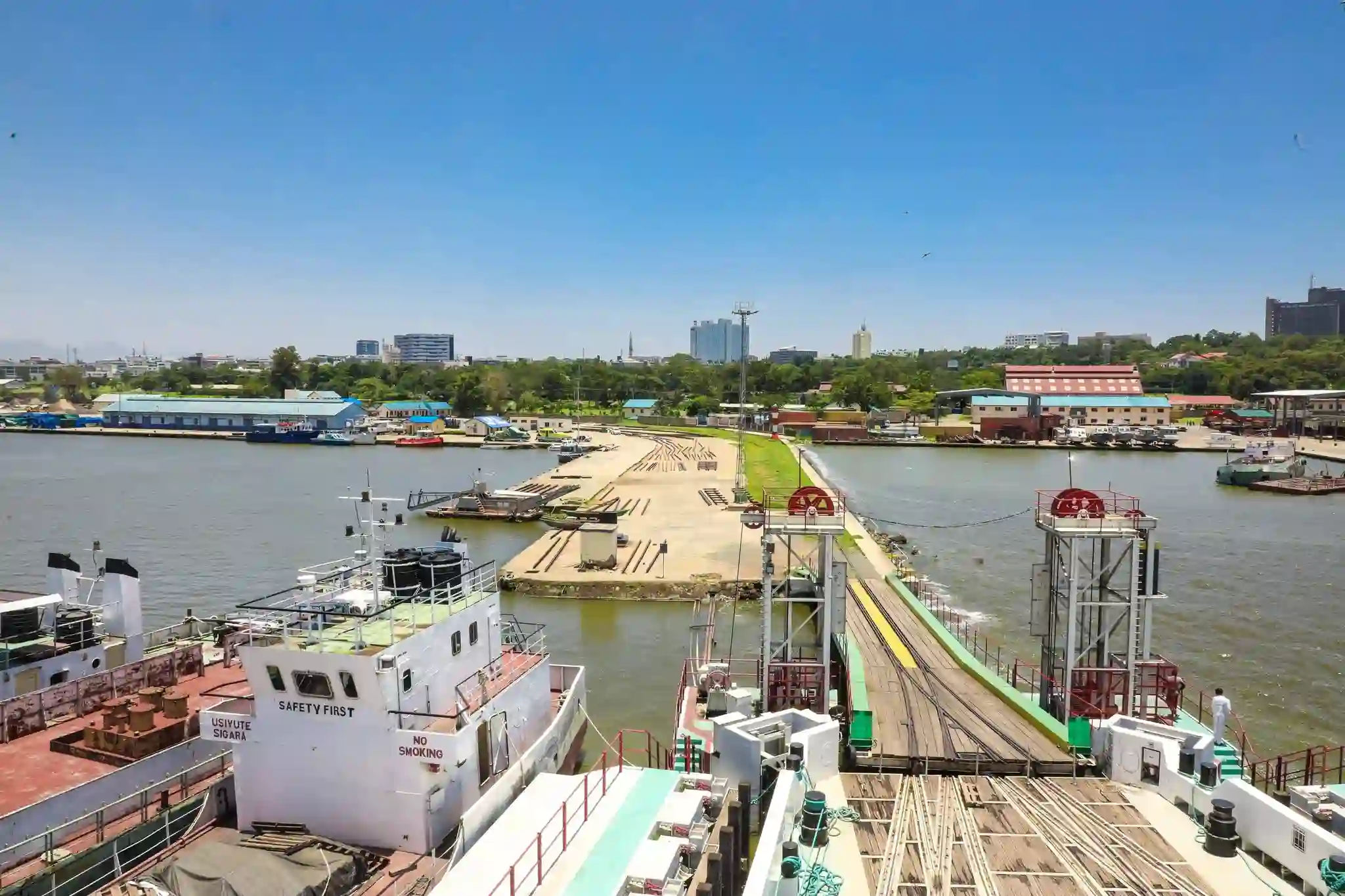

Kenya: Kisumu Port is steadily registering a significant increase in cargo volumes with the figures for the year 2026 projected to hit 700,000 metric tons. The Lake port handled 459,601 tons of cargo in 2025 underlining a sharp rise in lake shipping business in the region.
Reportedly, this pointed to new trade patterns between Kenya, Uganda and Tanzania. The growth has been attributed to the expanding commodity flow and renewed demand for Lake Victoria transport routes.
According to the Kisumu Port Manager Cargo Services – Patrick Makau, the latest notable development is the emergence of coal shipments from Songea, Tanzania, transiting through Kisumu for the first time.
Makau said that there are ongoing negotiations which are at advanced stages between Tanzanian exporters and their newfound clients in West Pokot, with the objective of opening a fresh commercial corridor for manufacturers in Western Kenya’s region. This shift is expected to diversify Kisumu’s cargo mix beyond its petroleum heavy portfolio.
The vessel MV Uhuru-I docked at the Port of Kisumu on Saturday, April 18th, 2026 from Mwanza Tanzania to discharge a consignment of 1200 tons of industrial coal. Also, the petroleum exports remained the backbone of Kisumu port’s operations, supported by twice weekly tanker voyages to Uganda.
MV Uhuru-II regularly delivers fuel to Port Bell and Jinja, by providing much of the lift. Capacity has risen further with the deployment of MV Mpungu, as the vessel is able to carry 1,000 tonnes, alongside several smaller crafts.
Activity at the port continued to accelerate in early 2026. In March, Kisumu recorded 26 vessel calls, up from 23 in February and 18 in the same month, of the previous year. The MT Kabaka Mutebi-II logged seven calls, MV Uhuru-II and MV Orion-II three each, MT Elgon six, MV Mpungu one, and MV Orion-I two.
Export volumes for the month of March totaled 44,301 tonnes, driven by 40,533 tonnes of petroleum products, followed by 2,885 tonnes of ceramic tiles, 774 tonnes of high rolling coils, and 109 tonnes of heavy machinery. Cumulative throughput from January to March recorded 145,753 tonnes, a 46% increase from the same period in 2025.
Kisumu’s resurgence is anchored in the Kenya Ports Authority’s investments initiatives to upgrade infrastructure at the port. This includes the quay side, which has been extended from 262 meters to 392 meters. This allowed multiple vessels to berth simultaneously; dredging to improve the draft conditions; and cargo storage facilities that have boosted handling capacity.
Furthermore, the construction of a new passenger terminal is under way, and a dedicated access road linking the port to the regional highway network is nearing completion. Navigation on Lake Victoria has also improved following the installation of modern aids to navigation along routes. Security is now coordinated through a multi-agency framework with KPA preparing to integrate rail lake operations with the planned introduction of oil wagons to ease pressure on regional roads.
The port has made impressive strides in reducing vessel turnaround time and enhanced efficiency following the acquisition of new equipment, by including a Grove mobile crane, a 10-tonne XGMA forklift, and two 3-tonne forklifts.
Beyond trade, the port’s expansion is spurring wider economic activity across Lake Victoria counties. Improved piers, safer navigation, and better connectivity are supporting tourism, fisheries, and regulated water transport, along with increased inter county commerce.
Makau said that the port’s resurgence marks an important shift in regional logistics. He added that this is a pivotal moment for lake transport. Kisumu is becoming the gateway of choice because the lake offers clear efficiency and cost advantages. The momentum is strong, and they are preparing for larger volumes ahead.
As East African countries move to expand containerised lake shipping, Kisumu is preparing to handle up to 4,000 TEUs, that will strengthen its place as one of the region’s most critical inland hubs.